
Frequently Asked Questions in Cherry Hill, Glen Mills, & Philadelphia
Pediatric Dentistry FAQs

Pediatric Dentistry FAQ: Helpful Answers for Growing Smiles
Welcome to our pediatric dentistry FAQ page. At Cobblestone Kids Pediatric Dentistry, we understand that parents of infants, toddlers, and teens have unique questions about oral development, treatment safety, and appointment prep.
We built this pediatric dentistry FAQ to give clear, conversational answers to the common child dental questions we hear every day in our offices — so you can make informed decisions for your family's oral health with confidence. Think of this pediatric dentistry FAQ as the conversation we'd have at your first visit — just available at 2 a.m. If your question isn't answered below, just call; our team fields common child dental questions by phone all the time and is happy to help.
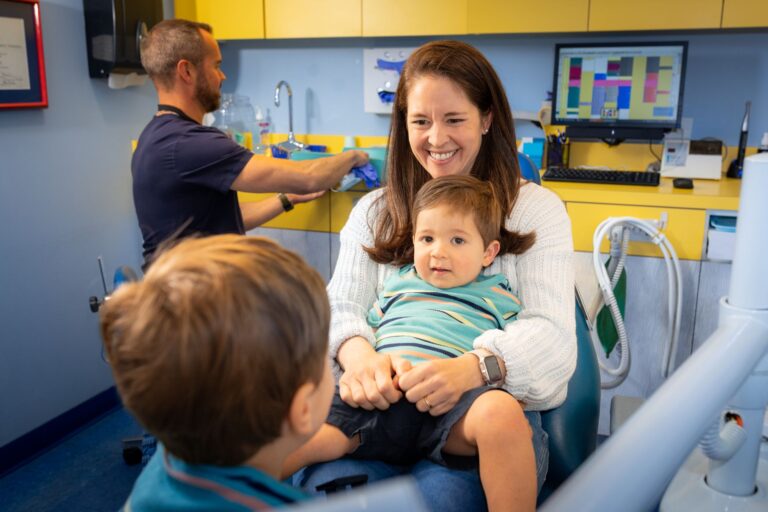

The Ultimate Pediatric Dentistry FAQ:
Clinical & Care Answers
What Is a Pediatric Dentist?
A pediatric dentist is a dental specialist who focuses on the oral health needs of infants, children, and adolescents. They undergo additional years of specialized training beyond dental school, equipping them with the knowledge and skills to provide comprehensive dental care specifically tailored to children.
Why Choose a Pediatric Dentist Instead of a Family Dentist or General Dentist?
Pediatric dentists have extensive experience and expertise in managing the unique dental needs of children. They create a child-friendly environment, use age-appropriate techniques, and have a deep understanding of child development.
By choosing a pediatric dentist in Philadelphia or Cherry Hill, you ensure your child receives specialized care that is gentle, comforting, and tailored to their individual needs.
When should my child first see a dentist?
According to early childhood milestones established by the American Academy of Pediatrics, your child should have their first dental visit by their first birthday. For details on how we structure this initial milestone, review our guide on your child's first pediatric dentist visit.
When Do Baby Teeth Start Coming In?
Baby teeth, also known as primary teeth, usually start erupting between six and twelve months of age. However, the timing can vary for each child.
The lower front teeth are typically the first to emerge, followed by the upper front teeth and then the molars.
Why Are Baby Teeth So Important?
Baby teeth play a vital role in your child's oral health and development. They help with chewing, speech development, and holding space for permanent teeth.
Early loss of baby teeth due to decay or other issues can lead to alignment problems and affect the proper eruption of permanent teeth.
How Should I Care for My Infant's or Toddler's Mouth?
Before primary teeth erupt, wipe your baby's gums with a clean, damp washcloth after feedings. We highlight this step in our pediatric dentistry faq because establishing an early, bacteria-free oral environment protects emerging primary enamel from early childhood decay.
Once teeth start coming in, brush them with a soft-bristled toothbrush and water. Avoid putting your child to bed with a bottle or sippy cup containing anything other than water.
When Should I Start Brushing and Flossing My Child's Teeth?
As soon as your child's teeth start erupting, it's time to start brushing! Use a rice-sized amount of fluoride toothpaste and a soft-bristled toothbrush.
Begin flossing when adjacent teeth touch, usually around the age of two.
When Should My Child Start Using Toothpaste — and How Much Should They Use?
Once your child can spit out toothpaste and not swallow it, you can start using a pea-sized amount of fluoride toothpaste.
Be sure to supervise brushing to ensure they don't swallow excessive toothpaste.
Why Is Fluoride Important for My Child's Oral Health?
Fluoride is a mineral that helps strengthen tooth enamel and protects against tooth decay. It is crucial for your child's oral health as it helps prevent cavities and promotes strong, healthy teeth.
Fluoride can be obtained through fluoridated water, toothpaste, and professional fluoride treatments.
Are digital dental X-rays safe for toddlers and young children?
Yes. We utilize state-of-the-art digital radiography, which limits radiation exposure to negligible levels. In this pediatric dentistry faq, we like to reassure parents that digital X-rays are highly secure and vital for identifying hidden decay between tight primary teeth before it turns into physical pain.
What safe sedation options do you offer for anxious children?
We customize behavior management for every child. If a patient experiences dental anxiety, we offer safe pediatric dental sedation options—including mild nitrous oxide (laughing gas)—to ensure a completely relaxed, comfortable, and pain-free experience.
Do you accept dental insurance and offer payment plans?
Yes! We know that clear cost planning matters to modern families. A major goal of this pediatric dentistry faq framework is transparency. We are in-network with a wide array of PPO providers and offer flexible financing to keep top-tier care affordable. You can explore our complete financing and insurance matrix to see how we maximize your benefits.
If you have gone through this entire pediatric dentistry faq list and still have an unanswered question, please don't hesitate to reach out! Our team loves helping parents feel confident. If you are ready to put this pediatric dentistry faq knowledge into action, click below to select your nearest regional office and book an appointment today!
How much do braces cost?
"How much do braces cost" is one of the questions parents ask us most as their kids approach the tween years. While we focus on pediatric dentistry rather than orthodontics, treatment typically ranges widely depending on the complexity of the case and the type of appliance. During your child's orthodontic evaluation, we'll refer you to a trusted orthodontist who can give you an exact figure and payment options for your situation.
Does my child need baby root canals?
If a cavity reaches the nerve of a primary tooth, a baby root canal (pulpotomy) may be the best way to save the tooth and avoid extraction. Not every deep cavity requires one — our dentists use digital imaging to see exactly how far decay has progressed before recommending pediatric pulp therapy. If you're wondering "does my child need baby root canals," the honest answer is: only an exam can say for sure, but when they're needed, they're quick, gentle, and protect your child's smile long-term.
How Do Sealants Work?
Dental sealants are thin, protective coatings applied to the chewing surfaces of the back teeth (molars and premolars). They create a barrier that seals out food particles and bacteria, helping to prevent cavities.
Sealants are especially effective in protecting the vulnerable grooves and crevices of the teeth, where decay often starts.
Is a Pacifier or Thumb-sucking Bad for My Child's Teeth?
Too much pacifier use or thumb sucking can sometimes affect the alignment of your child's teeth and the development of their jaw.
Most Philadelphia and Cherry Hill children naturally outgrow these habits, but if they persist past the age of three, it's important to discuss it with a pediatric dentist who can provide guidance and appropriate intervention if necessary.
How Does My Child's Diet Affect Their Oral Health?
A balanced and nutritious diet plays a crucial role in your child's oral health. Limit sugary snacks and drinks, as sugar feeds the bacteria in the mouth and contributes to tooth decay.
Encourage a diet rich in fruits, vegetables, whole grains, and dairy products, which provide essential nutrients for healthy teeth and gums.
How Can I Limit My Child's Sugar Intake?
To limit your child's sugar intake, offer them water instead of sugary drinks, limit the consumption of candy and sweets, and choose healthier snack options like fruits, vegetables, and cheese. Establishing good dietary habits early on promotes long-term oral health.
When Should My Child Stop Using a Bottle or Sippy Cup?
Ideally, children should transition from a bottle to a regular cup by the age of one. Encourage your child to use a regular cup as they develop their motor skills.
Extended bottle or sippy cup use can contribute to tooth decay, as continuous exposure to sugary liquids can lead to cavities.
How Can Parents Help Prevent Tooth Decay?
Parents play a crucial role in preventing tooth decay in their children. Establish a consistent oral hygiene routine, promote a healthy diet, limit sugary snacks and drinks, ensure regular dental check-ups, and encourage good oral habits like proper brushing and flossing techniques.
What Should I Do If My Child Has a Toothache?
If your child complains of a toothache, gently clean the area around the affected tooth with warm water and use dental floss to remove any food debris that may be causing discomfort.
Contact our office to schedule an appointment so we can evaluate the situation and provide appropriate treatment.
What Should I Do If My Child Falls and Knocks Out a Permanent Tooth?
If a permanent tooth is knocked out, it's crucial to act quickly. Rinse the tooth with water (do not scrub), place it back into the socket if possible, and hold it in place.
If you can't reinsert it, put it in a container of milk or saliva. Contact our office immediately for emergency dental care.
What If My Child Has Two Teeth Growing in the Same Spot — Also Known As "Shark Teeth"?
Having two teeth growing in the same spot is a common occurrence in children and is often referred to as "shark teeth."
In most cases, the baby tooth will naturally become loose and fall out to allow the permanent tooth to take its place. Monitor the situation, and if the baby tooth doesn't loosen on its own, consult a pediatric dentist for evaluation.
Why Is It Important to Get a Space Maintainer?
A space maintainer is a dental appliance used to hold space for a permanent tooth when a baby tooth is lost prematurely.
It prevents adjacent teeth from shifting into the empty space, ensuring proper alignment and minimizing the need for orthodontic treatment in the future.
At what age should a child have an orthodontic evaluation?
In line with peer recommendations from the American Association of Orthodontists, children should receive an initial orthodontic screening by age 7. This allows us to monitor jaw growth and catch spacing issues early, minimizing the extent of braces needed later.
We update this clinical pediatric dentistry faq section regularly as guidelines evolve, ensuring local families always have access to accurate, transparent pediatric health definitions.
How often do you update or add new questions to this pediatric dentistry faq?
We update our pediatric dentistry faq catalog continuously based on real questions asked by local parents in our Philadelphia, Cherry Hill, and Glen Mills offices. Our goal is to provide a live, transparent clinical resource that keeps your family feeling confident, safe, and fully informed.
Answers to Common Child Dental Questions
A good pediatric dentistry FAQ should save you a phone call — but never replace one. Whether you have pediatric dentist insurance questions, wonder how the first visit works, or just want reassurance before a procedure, our front desk team is a quick call away at any of our three offices. We review and expand this pediatric dentistry FAQ regularly based on what real parents ask us in the chair.
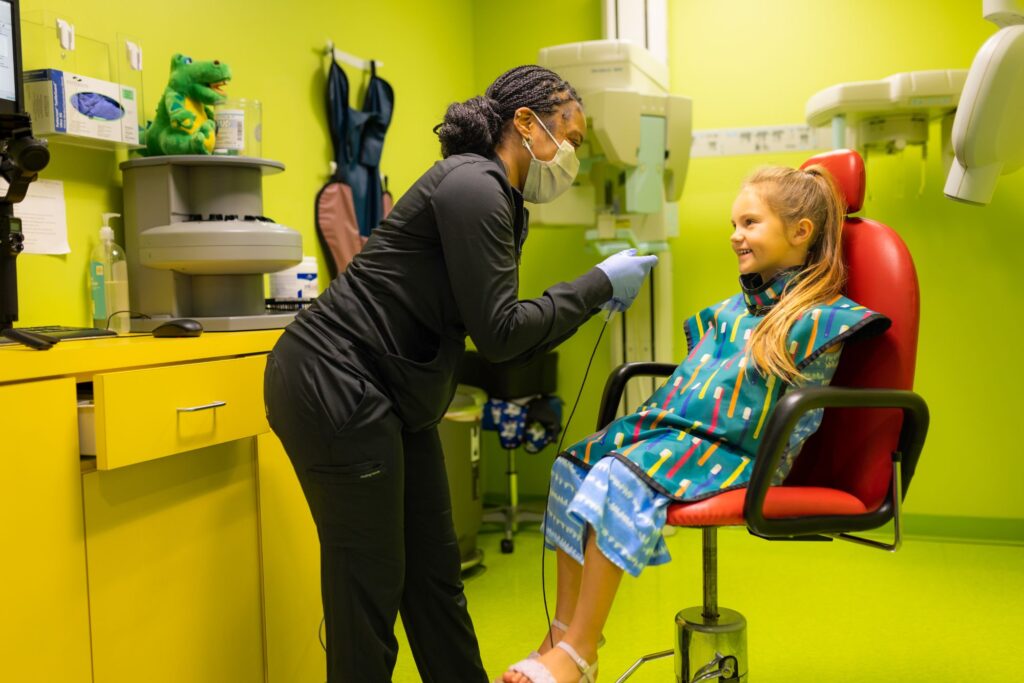
Transparent Costs: Insurance, Scheduling & How Much Do Braces Cost
Ready to put this pediatric dentistry FAQ knowledge into action? Click below to select your nearest regional office and book a visit. Our accommodating administrative staff is ready to help you navigate scheduling and maximize your insurance benefits today!
Areas We Serve
Cobblestone Kids cares for families from three pediatric dental offices. Choose the one closest to home:
- Pediatric dentist in Cherry Hill, NJ – also serving Voorhees, Haddonfield, Marlton, and Mount Laurel
- Pediatric dentist in Philadelphia, PA – on South Street, serving Rittenhouse Square, Graduate Hospital, Bella Vista, and Queen Village
- Pediatric dentist in Glen Mills, PA – on Baltimore Pike, serving Media, Chadds Ford, Garnet Valley, and Newtown Square