
Medically reviewed by Dr. George Lynch, DMD, board-certified pediatric dentist at Cobblestone Kids · Last reviewed October 12, 2026
Why Dental Sealants Are Essential for Cavity Prevention in Children and Teens
When it comes to keeping our little ones’ smiles bright and healthy, prevention is always better than cure. Have you heard of dental sealants? They are the unsung hero in the battle against cavities! These thin, protective coatings greatly lower the risk of tooth decay in children and teens. That makes them a key part of oral health care. But what exactly are dental sealants? How do they work their magic?
Sealants for kids are a simple preventive treatment. Sealants are usually placed on permanent teeth soon after they come in. For most children aged 6 to 12, that means the first and second permanent molars. After the visit, your child can eat and drink as usual.
Introduction to dental sealants and their purpose in cavity prevention
When it comes to protecting our kids’ smiles, dental sealants are a secret weapon that often flies under the radar. Picture this: tiny, invisible shields applied to the chewing surfaces of molars, guarding against cavities like a superhero cape. Kids and teens are particularly vulnerable to tooth decay due to their love for sugary snacks and drinks. Understanding how cavities form is essential in tackling this issue head-on.
Sealants add a layer of protection. They keep food and germs out of hard-to-reach spots on the teeth. But what exactly goes into getting these magical coatings applied? And do they really work? Let’s look at why dental sealants belong at the top of your child’s oral health list!
Explanation of how cavities form in children and teens
Cavities, or dental caries, begin with harmful bacteria that thrive in the mouth. These microorganisms feed on sugars and starches from food residue left on teeth.
As they consume these substances, they produce acids that attack tooth enamel—the hard outer layer protecting teeth. With frequent exposure to these acids, enamel weakens over time.
Children and teens are particularly vulnerable due to dietary habits. Their love for sugary snacks and beverages makes it easy for cavities to form quickly.
Moreover, their brushing techniques may not be as effective yet. This can lead to plaque buildup in hard-to-reach areas like molars.
If untreated, cavities can progress deeper into the tooth structure, causing pain and requiring more extensive treatment down the line. Understanding this process highlights why preventive measures are crucial during these formative years.
Benefits of using dental sealants as a preventative measure
Dental sealants provide a protective barrier for teeth, especially those hard-to-reach molars. These teeth are often more prone to cavities due to their grooves and pits.
By sealing these surfaces, the risk of decay significantly diminishes. Children and teens benefit from this extra layer of defense against sugary snacks and beverages that can lead to cavities.
Sealants are quick and painless to apply. This makes dental visits less daunting for young patients. Parents appreciate the peace of mind knowing they’re taking proactive steps toward cavity prevention.
Another advantage is their cost-effectiveness compared to treating cavities later on. Sealants now can save families money later. They also support better oral health during key growing years.
Additionally, dental sealants help instill good habits early on by emphasizing preventive care at a young age.
The procedure for applying dental sealants
Applying dental sealants is a quick and straightforward process. First, the dentist will thoroughly clean the teeth that need sealing. This ensures no debris interferes with adhesion.
Next, an acidic solution is applied to the chewing surfaces of the molars. This step helps create a rough texture for better bonding. After rinsing and drying the teeth, it’s time for the sealant application.
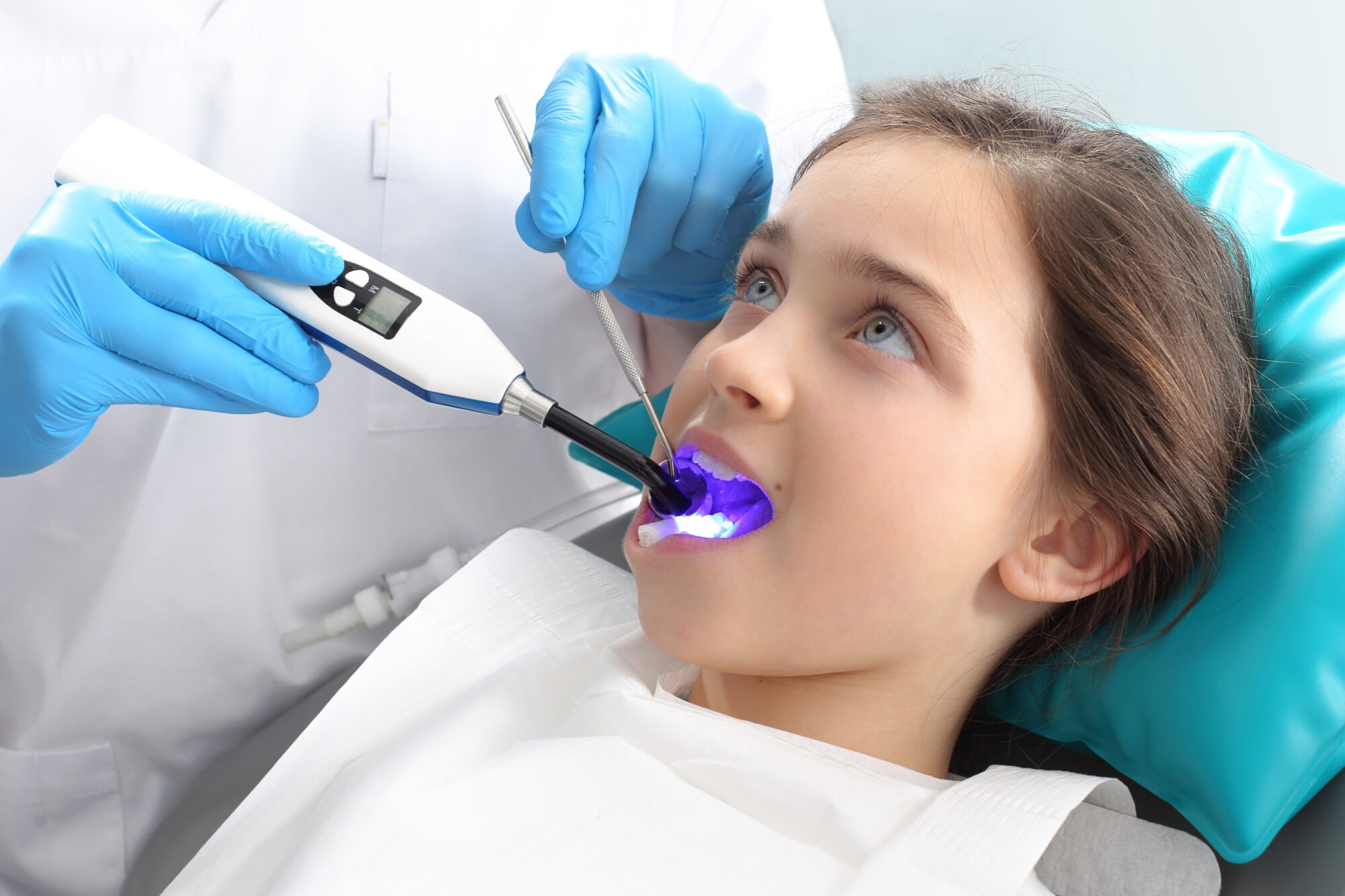
The dentist carefully paints a thin layer of sealant over each tooth’s grooves and pits. Once in place, a special curing light may be used to harden the material quickly.
The entire procedure usually takes less than an hour. Most children find the process quick and painless. There are no shots and no drilling. In just one visit, these protective barriers can significantly reduce cavity risk in children’s teeth.

Common misconceptions about dental sealants
Many people believe dental sealants are only for children. While they are primarily recommended for kids and teens, adults can benefit too. Sealants provide an extra layer of protection against cavities at any age.
Another misconception is that sealants guarantee cavity prevention. While they significantly reduce the risk, they do not make teeth impervious to decay. Regular oral hygiene remains essential.
Some think applying sealants is painful or complex. In reality, the procedure is quick and straightforward; most children experience little to no discomfort during application.
There’s a belief that sealants contain harmful chemicals. However, modern materials used in dental sealants are safe and approved by health agencies.
Lastly, many assume their insurance doesn’t cover sealant application costs. Surprisingly, many plans include them as a preventative measure for children’s dental care—it’s worth checking with your provider!
Results and success rates of using dental sealants
Dental sealants have proven to be a highly effective tool in the fight against cavities. Research shows sealants can lower the risk of decay in molars by nearly 80%. Molars are at higher risk because of their deep grooves.
The success rates speak volumes. Many studies show that children with dental sealants experience fewer cavities over time compared to those without them. This is especially true for those who may struggle with brushing or have diets high in sugary foods.
Sealants aren’t just a temporary fix; they can last several years before needing replacement. Regular check-ups help ensure they remain intact and effective, providing ongoing protection as kids grow.
Fewer cavities often means less worry at dental visits. It also helps build lifelong habits of good hygiene.
Comparison with other preventative measures such as fluoride treatments
When considering cavity prevention, dental sealants and fluoride treatments often come to mind. Both play crucial roles in oral health, but they function differently.
Dental sealants act as a physical barrier. They cover the grooves of molars, preventing bacteria and food particles from settling in hard-to-reach areas. This is especially beneficial for children who may struggle with effective brushing techniques.
Fluoride treatments enhance the strength of tooth enamel. They help remineralize early-stage cavities and make teeth more resistant to decay. Fluoride from toothpaste, water, or varnish strengthens enamel. But it doesn’t seal the deep grooves where plaque builds up.
Choosing between them isn’t always necessary; they can complement each other well. Sealants offer immediate defense while fluoride supports long-term enamel health, creating a robust approach to cavity prevention.
Cost of dental sealants and insurance coverage
Dental sealants are a cost-effective way to protect your child’s teeth. On average, the price for sealant application ranges from $30 to $60 per tooth. For many families, this is a small investment compared to potential cavity treatments.
Insurance coverage can make dental sealants even more affordable. Many plans cover preventive services like sealants for children and teens, often paying up to 100% of the cost. However, it’s essential to check your specific policy details.
Some insurance providers have age limits on coverage or conditions that must be met before approval. Check with your dentist and insurance company first. That way you get the most from your benefits.
Sealants protect teeth and save money over time. They help you avoid costly treatments later.
Tips for maintaining good oral hygiene while using dental sealants
Maintaining good oral hygiene is crucial, even with dental sealants in place. Regular brushing is key. Use fluoride toothpaste and brush at least twice a day. Ensure you reach every surface of your teeth for optimal care.
Flossing shouldn’t be overlooked either. It removes food particles and plaque from between the teeth where brushes can’t reach. Aim to floss daily to keep those areas clean.
Limit sugary snacks and drinks that can lead to decay, even on sealed surfaces. Instead, encourage healthier choices like fruits and vegetables.
Regular dental check-ups are essential too. Your dentist will monitor the condition of your sealants and overall oral health during these visits.
Lastly, educate children about the importance of keeping their mouths clean. Making oral hygiene fun encourages them to take responsibility for their own smiles.

Conclusion on the importance of dental sealants for children and teens.
Dental sealants play a vital role in protecting the teeth of children and teens from cavities. This thin sealant material acts as a barrier. It seals off grooves and pits that are hard to clean with regular brushing. By preventing food particles and bacteria from settling into these areas, sealants decrease the risk of decay significantly.
The benefits extend beyond mere protection; they also promote healthier habits among young ones. Fewer cavities means less discomfort and fewer visits for fillings. That’s good news for kids who feel nervous at the dentist.
Investing in dental sealants is not only about immediate results but also about fostering long-term oral health practices. Pairing them with good oral hygiene habits will create a strong foundation for your child’s future dental care. Encouraging regular check-ups ensures that any potential issues are caught early on.
Sealants are effective, affordable, and easy to apply. It’s clear why many parents see them as a must for cavity prevention. Prioritizing this preventive measure contributes to overall well-being and confidence during those formative years when smiles matter most.
Ask about sealants at your child’s next checkup at our Philadelphia, Cherry Hill, and Glen Mills offices.